
















This year, the art department introduced a new system for Art Studio, known as “extra art time,” where students work on ongoing projects. Previously, Art Studio fell one day during the ten-day cycle. Now, instead of attending a predetermined block, students can choose when to attend based on their schedules. The shift has sparked enthusiasm, frustration, and a discussion about accountability as well as a large stuffed goose.
For many teachers, the new structure wasn’t just a creative change, it was a response to an administrative requirement. According to art teacher Daniel Vance, the shift began as a response to attendance problems.
“We had to have the time like that because the state mandates it. It was just a matter of how we were going to do it. Kids kept missing the time. Because, how are you going to make sure the kid shows up?” Vance stated.
Under the old system, students who missed Art Studio faced intense consequences. Vance stated: “It used to be eight detentions for one missed class.” Even when the policy was lightened, enforcing it felt harsh. “We actually like you guys, and to give you a detention every time I see you seems mean. I just didn’t want to do it” Vance stated.
Students are also required to attend a certain number of sessions to receive credit for Art Studio, which made consistent attendance essential under the old system. Missing too many extra art classes could affect their grade, adding pressure to attend even when students had nothing to work on.
The art department spoke with the administration with a request to “unschedule” Art Studio and to reimagine how it could be designed to benefit and excite students. If students could choose when they came into Art Studio, Vance said, missing a session wouldn’t automatically result in punishment. “If we make it so that you schedule it, then if you miss your scheduled day you just go, ‘I’ll do it later,’ and it becomes a non-issue,” said Vance.
But the teachers didn’t stop at removing consequences, they also added a system to encourage participation. After testing out an online sign-up sheet to keep track of who attended Art Studio, they ultimately decided on a ticket system. Vance said, “All too often, at school, things are taken away from you, but they’re not given back. So we’re removing something, then putting something good in its place.
The new raffle system, where students earn tickets by attending Art Studio during their chosen slot, quickly became talked about. Art teacher Jason Knarr is especially enthusiastic about it. When asked what kinds of prizes are given away, he didn’t hesitate: “A ginormous capybara. But even better was the even bigger goose.”
For Knarr, the new version of Art Studio is most definitely better than the old one. “Yes! It’s more fun,” he said. The grading requirement, based on the number of punches and free blocks attended, was designed with fairness in mind. “We did this because we are kind and fair,” Knarr stated.
Both teachers agree that they would not return to the old system, however, not all students agree with this.
Layla Young, an eleventh grader, enjoys the flexibility of the new system. Young said, “I like it better because if I had a test during the old extra art studio day that I needed to study for, I couldn’t. Now I can go during a time when I don’t have a test.”
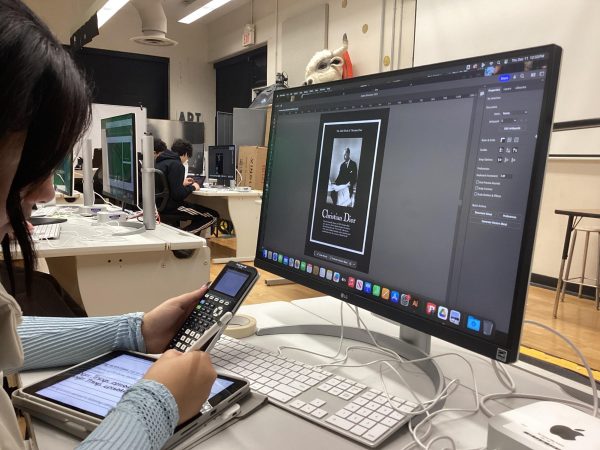
She also feels an increase in freedom, the main goal of the reimagined system. But not everything in the system appeals to her. When asked about the raffle prizes, Young said, “I never got a prize, so I don’t like it. They should make more prizes so that the number of students winning prizes increases.” Young also finds that the number of required art studios is too high.
Another student, speaking anonymously, expressed frustration with the new system. “It’s hard to keep up with the schedule because I’m super busy with homework and other tests. It’s too many free blocks that we have to go in, and I don’t even have to work on projects most of the time.”
The transition to the new system underscores a greater challenge in school policy: balancing structure and freedom. Teachers wanted to remove punishments and create a system in which students had more say. Students appreciate this, but many still want a way to make the experience more social or the requirement smaller.
The new Art Studio may not satisfy every student, but it marks a shift toward freedom, creativity, and, possibly, the chance to win a gigantic stuffed goose. Whether the trade-offs are worth it remains a conversation for not only faculty, but also students.