




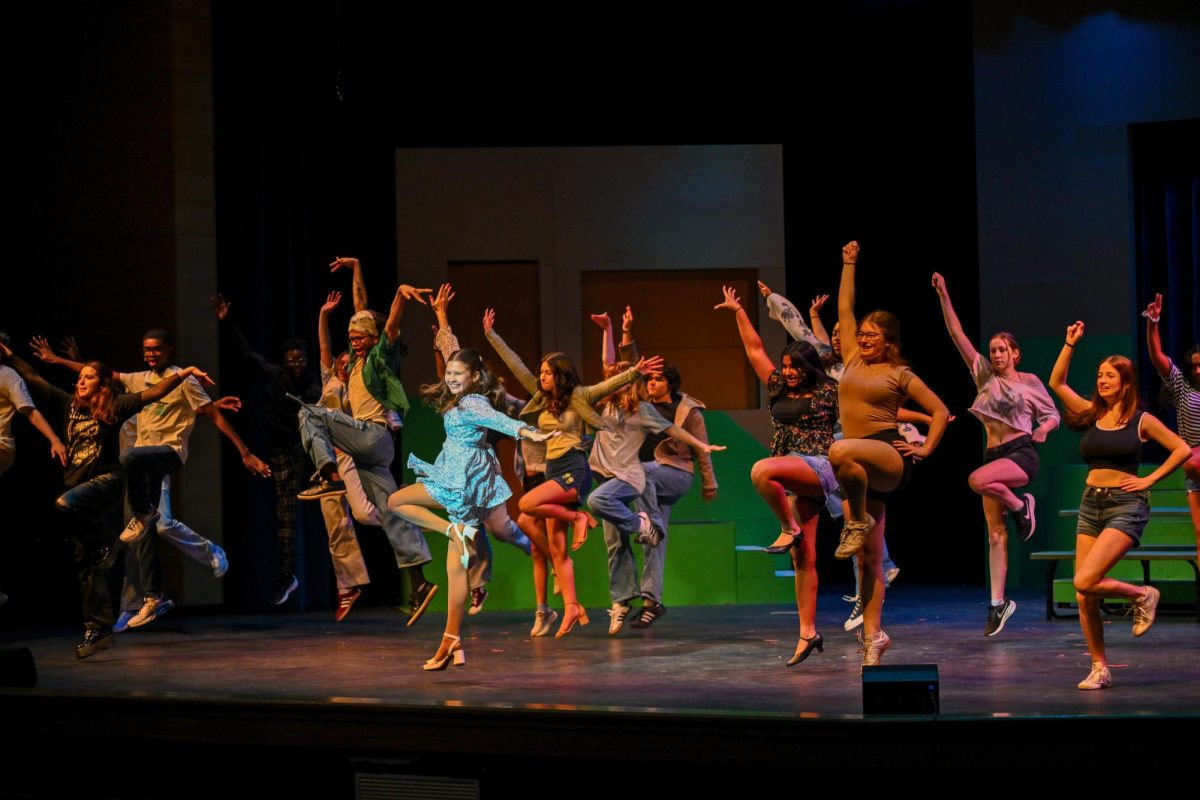
On any given Friday at Seven Hills, the schedule might look ordinary, with classes, passing periods, and lunch, but tucked between those routines are the moments students actually remember. Traditions, whether loud and spirited or quiet and communal, have become the threads that tie the school together, turning a collection of divisions and grade levels into something that feels more like a single community.
For many students, the Homecoming Picnic stands out as the clearest example of that unity. Junior Poni Larson describes it as more than just an event. It is a space where normal boundaries disappear. “You get to see how all the grades interact, and you get to build a community,” she said. “I get to hang out with my friends, and it’s like an excuse to do whatever you want.” The freedom of the afternoon, paired with events like the homecoming shootout, creates an environment that feels distinctly separate from the structure of a typical school day.
Senior Lily Plum Gartenlaub echoes that sentiment, but points to a different detail: the people. “I really love the Homecoming Picnic. I get to see my friends teaching clinics, and I get to see teachers with their families,” she said. “I think it’s a really nice community moment.” At Seven Hills, where teachers and students often interact beyond the classroom, traditions like this blur the lines between academic and personal life, reinforcing a sense of closeness that defines the school’s culture.
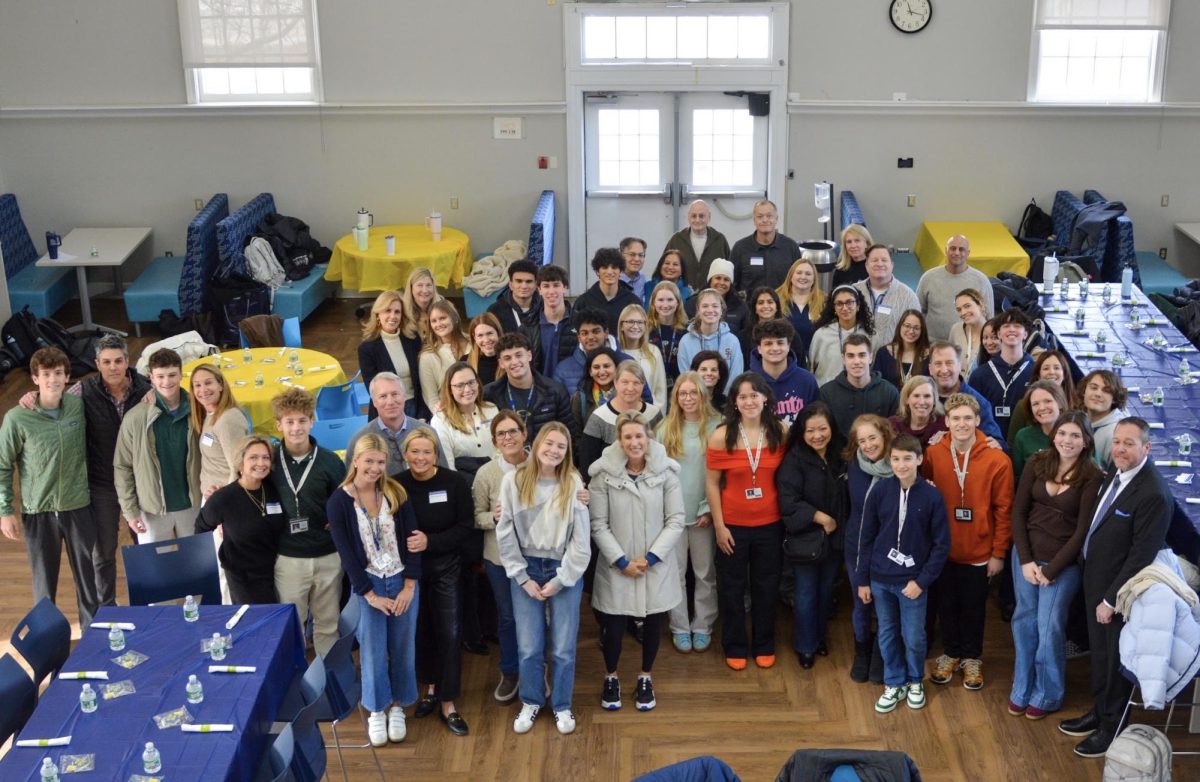
That sense of unity extends beyond a single event. Pep rallies, picnics, and other shared traditions create what Larson describes as a rare moment of collective participation. “It’s like everybody’s doing one thing and everybody’s doing it together,” she said. “It gives younger and older students a chance to interact and create friendships.” In a school divided into multiple campuses and divisions, those interactions are essential and increasingly intentional.
Gartenlaub notes that Seven Hills’ smaller size plays a role in making those connections feel genuine. “The school doesn’t feel as disjointed as bigger schools do,” she said, pointing to events like the end-of-year picnic, where students from different divisions come together. These traditions help bridge gaps between Lower School, Middle School, and Upper School, creating what she calls an interdivisional community.
Still, inclusion within these traditions is not always straightforward. Both students acknowledge a balance between openness and exclusivity. “No, but yes,” Larson said when asked if all students feel included. While not everyone chooses to participate, she emphasized that the opportunity is always there. Gartenlaub offers a slightly different perspective, suggesting that some exclusivity, especially for senior traditions, is intentional. The anticipation, she argues, is what makes those moments meaningful, even if it means not everyone participates in the same way.
At the same time, students see room for improvement. Larson believes pep rallies feel rushed, squeezed awkwardly between classes. “It’s not fun if you have four classes and then have a short break and then have to worry about rushing to class after,” she said. Gartenlaub agrees that something has been lost in recent years, criticizing the current structure and the introduction of “Swarm points,” which she says fail to engage students. Both suggest that rethinking how time is used could make traditions feel less like interruptions and more like highlights.

Part of that shift may already be happening. Larson has noticed a growing effort to connect different parts of the school, something that was not always the case. “When I was in Pre-K and kindergarten, I didn’t know anybody from Hillsdale,” she said. Now, she sees more intentional overlap between divisions as the school moves toward a more unified identity. Gartenlaub points to another turning point, the impact of COVID-19. While she did not experience pre-pandemic traditions firsthand, she has heard from older students that many were altered or lost, leaving the school still in the process of rebuilding its culture.
Despite those changes, both students agree on one thing. Traditions matter. “I think it creates a sense of community, in the sense that you can interact with people outside of the classroom,” Larson said. Gartenlaub takes it a step further, arguing that traditions shape how students remember their time at Seven Hills. In a city like Cincinnati, where high school identity often carries long after graduation, she believes the focus should shift. “We need to put more focus on how we spend our high school years rather than where we spent our four years of education,” she said.
At Seven Hills, traditions are not just events on a calendar. They are the moments that define the school experience. Whether it is a picnic, a pep rally, or simply a shared afternoon, they offer something classes alone cannot, a chance to belong.