















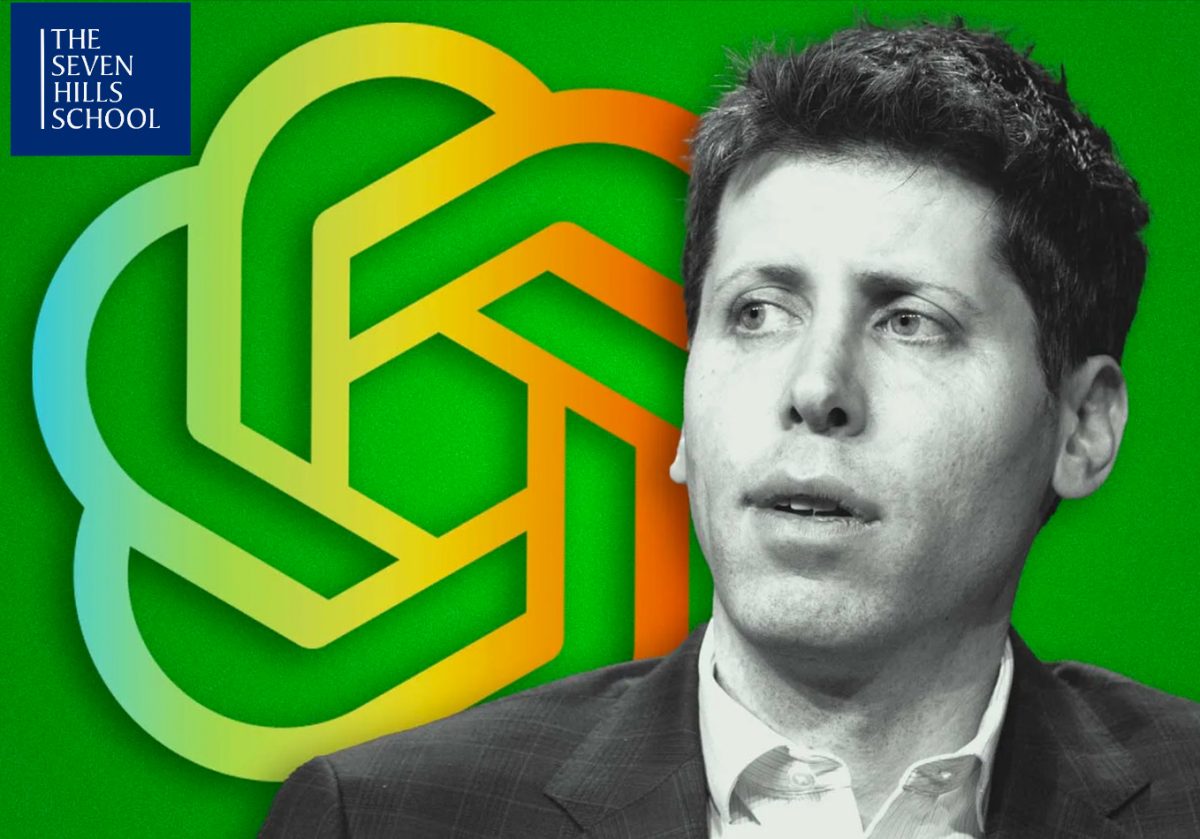
Nowadays, AI seems inescapable with AI in art, AI in movies, students and universities using AI, warnings of AI taking jobs from tech CEO’s and more. Almost everyone seems to be either using AI or talking about AI, including in the education system.
AI is being used in the education system across all levels, and I believe that the majority of these students and parents are not aware of the consequences of this. The first consequence of AI being used in the education system is the stunted development and decline of students’ critical thinking and problem-solving skills, who over-rely on AI to do these skills for them.
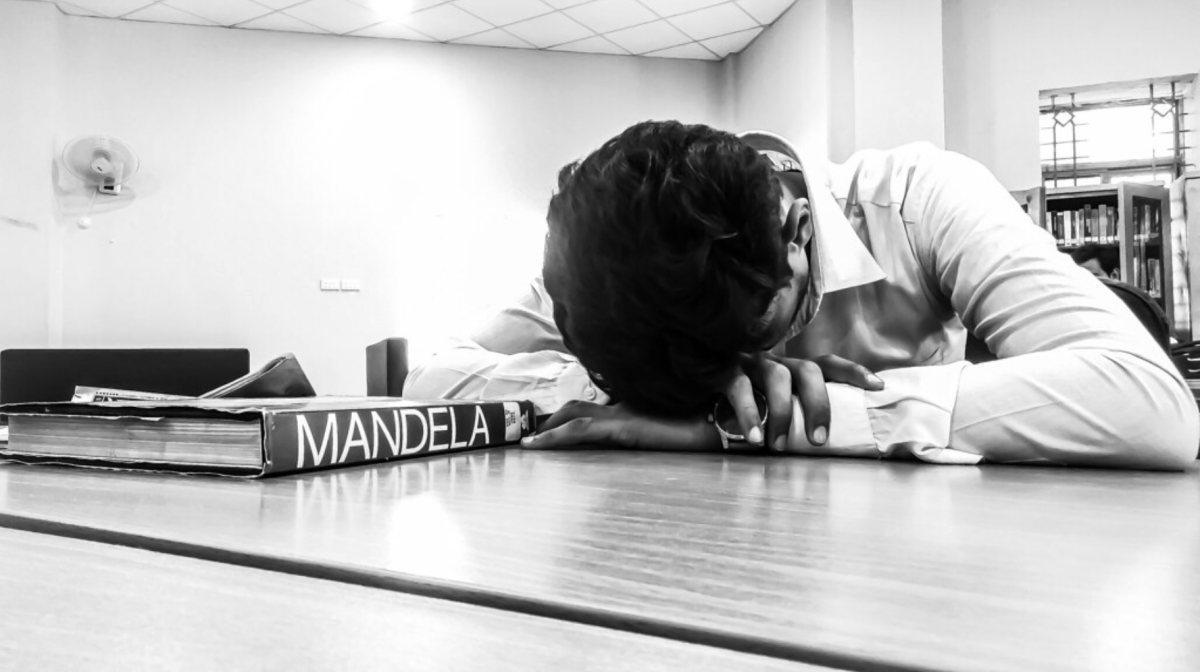
For a lot of students nowadays, instead of them critically thinking or using the skill of problem solving when they have to write an essay, analyze a text, solve a complex math problem, or even a life problem, they turn to ChatGPT or whatever their favorite AI is to do it for them. Critical thinking and problem-solving skills are not fixed; they can be developed over time with proper practice and repetition. Students in earlier stages in the education system (elementary and middle school) who over-rely on AI for these skills will see their development of these skills be negatively affected. Students who over-rely on AI too much to do critical thinking and solve problems will also see a decline in these skills. Learning support specialist Ann Guillerman said, “Students have to realize that critical thinking and problem-solving skills are not fixed; if you stop using them, they will degrade.”
In my opinion, many students’ development of critical thinking and problem skills becoming stunted, and students’ critical thinking and problem solving skills declining is concerning for many reasons. The first reason is that I believe that critical thinking and problem-solving skills are extremely important to have for academics in general. The second reason is that I believe that critical thinking and problem-solving skills will most likely be needed in whatever field or job these students want to work in. The third reason is that I believe that problem-solving and critical skills are not just essential in academics and in the workplace, but in everyday life when making decisions, processing emotions, dealing with and interacting with people, and thinking for yourself.
I have seen firsthand examples of students who relied on AI and ended up regretting it because they did not realize how much of a negative impact it had on their critical thinking and problem-solving skills. Senior Miles Rizor said, “I have seen many students’ critical thinking and problem-solving skills degrade as they rely more on AI.” There is no single solution for this problem but I do think one of the things we can do to help solve this problem would be to educate students on how important critical thinking and problem solving skills are, and how AI negatively impacts them.
The second consequence of AI being used in the education system is that because of the cheating epidemic, trying to decide if a student used AI has become extremely tricky and controversial. A big reason for this is that lots of teachers have been using AI detectors to try to catch students. Many students that I talked to claimed that while there are times these AI detectors can be accurate, there are tons of times where AI detectors can be completely wrong. Junior Abbot Hoffman said, “When a teacher or even fellow student sees a high percentage on an AI detector, they will assume the student used AI, which is unfair because a lot of the time these A.I. detectors can be wrong.”
Overall, I believe that AI in the education system is just like many things in life: neither completely bad nor good. I view AI in the education system as a useful but also destructive tool that we have to be careful with and be aware of the consequences of using it.