


















What does it mean to be a community, and what should it look like? Over the past few years, Seven Hills has struggled to answer that question through its approach to Office Hours and Community Time- periods that were meant to be fun, restorative, and interactive but have instead become monotonous and frustrating for many students.
Community Time was originally imagined as a space for unity, enjoyment, and connection. Instead, it has evolved into something students increasingly dread. The school planned for a consistent structure—Monday for All-School Meeting, Tuesday for Office Hours, Wednesday for Advisory, Thursday for Class Meetings, and Friday for Office Hours. Although this schedule still appears on paper, in practice the time is often filled with last-minute events or changes that disrupt students’ expectations and routines.
Upperclassmen feel the effects even more strongly. Senior Calvin Armstrong described the new midday Office Hours placement as “unpredictable at best and pointless at worst.” Armstrong explained that the period used to serve as a relaxing transition into the end of the day, but now “just fills time.” While he admits that, as a senior, the impact is occasionally less direct, he emphasized how the inconsistency interrupts academic planning: “Sometimes I plan on meeting with a teacher, and then suddenly it gets changed to a class meeting. There are rare instances where it’s inconvenient, but overall it just feels… unnecessary.”
Senior Gitu Iyer noted that the unpredictability adds stress on days when she needs structure. “A lot of the weeks, I’ll just find out that morning that I’m having Office Hours when I need to study for a test,” Iyer said. “That’s pretty annoying.”
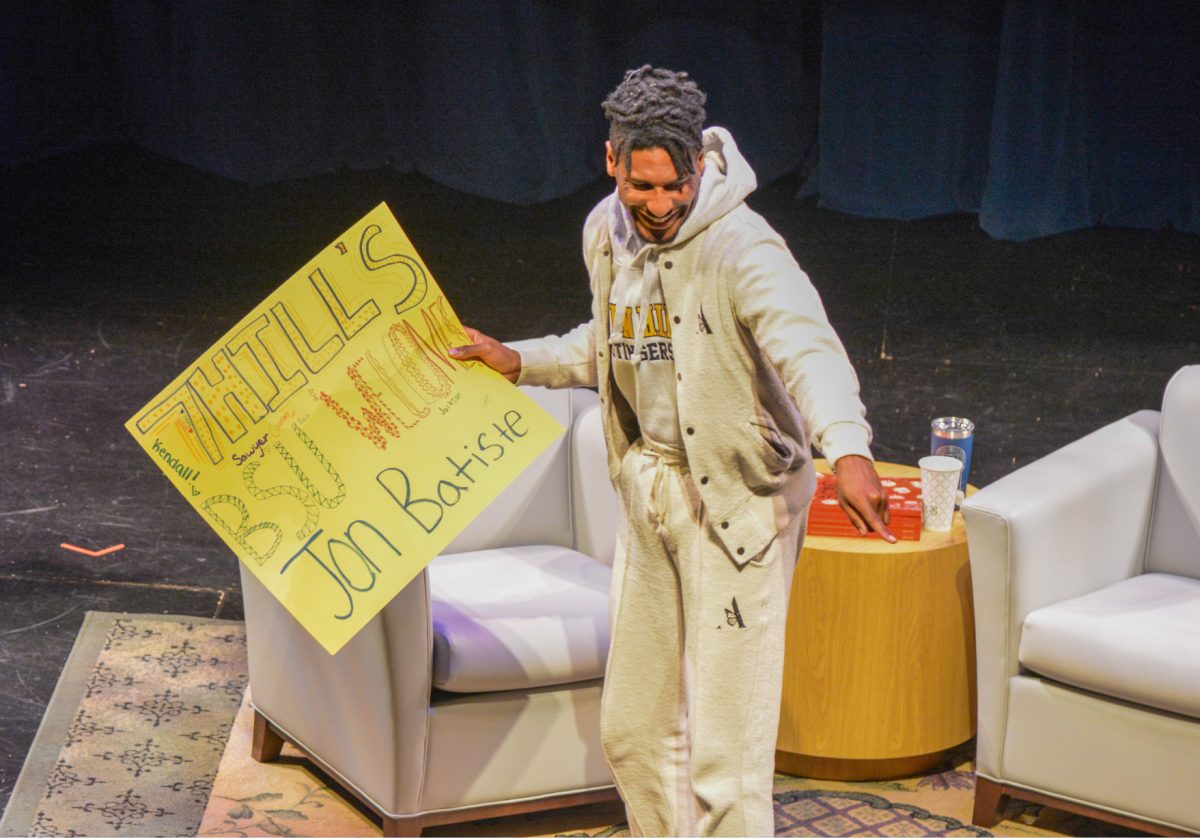
Beyond scheduling problems, students have also raised concerns about how Community Time is being used. All-School Meetings, Advisories, and Class Meetings often feel repetitive, unengaging, and disconnected from student interests. Armstrong remarked, “Those guest speakers can be really boring. Sometimes it’s confusing, and I really want to fall asleep.” Iyer echoed his feelings: “It feels like we do the same things every week. It doesn’t feel like there are big announcements that make me feel like I need to be there.”
Despite some of the flaws of Community time, there are a few benefits that help all students at Seven Hills. For some students, having this structured time in the middle of the day essentially forces them to get some of their work done, that they might’ve previously avoided or procrastinated. It also forces some students to meet with teachers and ask them questions that they previously wouldn’t have reached out for help from. Community Time also serves as I time that students can collaborate with some of their peers that are not often allowed during regular classes. Furthermore, Community Time is a place where students can share and show off their passions to others students. For example, the preview of Mean Girls got students excited about the upcoming play, and showed students what the play was going to be about.
For many students, the message is clear: Community Time isn’t building community. But students also agree on something else- change is possible. With more consistent scheduling, more intentional programming, and more student-centered ideas, Community Time could become what it was intended to be: a moment that genuinely brings the Seven Hills community together.